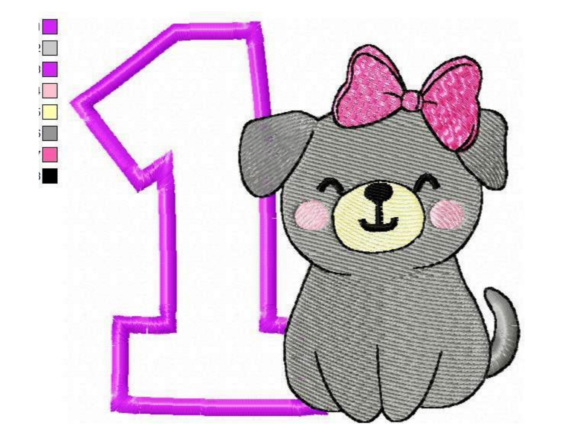
Review: 1st Birthday for Girl Embroidery Design
When I first opened the folder for 1st Birthday for Girl, I wasn't just looking at a digital file; I was visualizing the finished product on a customer's counter. As a designer who has spent years turning raw embroidery files into tangible, high-value handmade goods, my first impression is always about utility and aesthetic longevity. This design doesn't scream for attention with over-the-top graphics, but rather whispers with a classic charm that feels perfect for a milestone moment. It strikes a balance between playful and polished, making it an excellent candidate for serious craft businesses or thoughtful personal gifts.
The First Impression: Mood and Layout
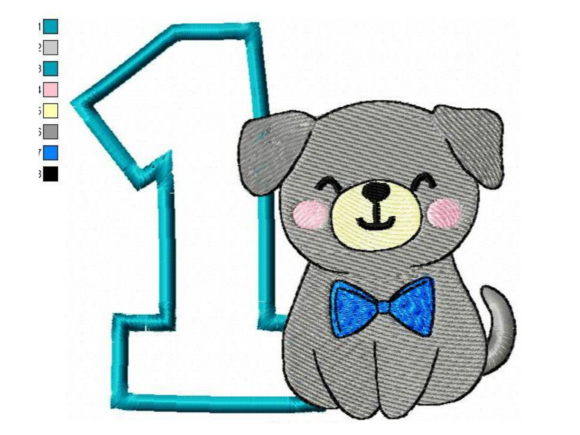
The layout of this machine embroidery design immediately suggests a sense of celebration without being cluttered. The visual personality leans towards softness and elegance, which is crucial when targeting parents who want to commemorate their child's first year in a way that will look good in family photos for years to come. Unlike some trendy designs that might feel dated by next year, the composition here relies on timeless shapes and likely clean typography. It creates a mood of warmth and nostalgia right out of the hoop.
In terms of detail level, it appears to be optimized for clarity. A common pitfall in birthday designs is overcrowding, where tiny elements get lost in the stitching process. From what I can discern, the spacing allows the eye to rest on the main message. This kind of breathing room is essential for embroidery projects that aim for a professional finish. It feels like a design that belongs in a nursery, on a keepsake box, or as a standout feature on a custom piece of clothing.
Real-World Application: From File to Finished Product
Let's talk about how 1st Birthday for Girl performs when we move from the screen to the fabric. I recently considered using this design for a small batch of boutique tote bags intended for a local baby shower gift shop. My initial thought was to test its versatility. The design's structure suggests it would work beautifully on canvas totes, where the sturdy fabric can support the stitch density without puckering. However, the real test is often on softer, more challenging materials.
I envision this design thriving on sweatshirts and hoodies for toddlers. The contrast provided by the stitching against fleece or cotton blends can create a stunning texture. For an Etsy seller specializing in personalized gifts, this file could be a cornerstone item. Imagine offering a custom name addition alongside this core design. The combination of a pre-made celebratory phrase with a personalized touch often increases the perceived value of a handmade product.
Beyond apparel, the potential extends to home decor. A pillow cover featuring this design adds a sweet accent to a child's room, while a kitchen towel version could serve as a memorable housewarming or baby shower gift. The key here is understanding that the design acts as a focal point. Whether it is an applique design combined with satin stitches or a pure stitched monogram, the visual weight needs to match the product size. On a tea towel, it might need to be slightly larger to make an impact, whereas on a cap, it needs to be compact enough to curve naturally around the crown.
Where Caution is Required: Fabric and Technique
While the design is versatile, no single file is a magic bullet for every situation. There are specific scenarios where 1st Birthday for Girl requires careful handling. If you are working with thin fabrics like silk or lightweight rayon, the stabilizer choice becomes critical. Without adequate backing, the tension required for the satin stitch sections could cause the fabric to gather or tear.
Stretchy fabrics present another challenge. When embroidering on knitwear, such as baby onesies or stretchy t-shirts, the design must be digitized with appropriate underlay stitches to prevent distortion. If the stitch density is too high for a stretchy material, the final result might look stiff and uncomfortable for the wearer. Similarly, textured fabrics like bouclé or heavy denim can obscure fine details. If the design includes tiny lettering or intricate decorative accents, these might disappear into the weave of the fabric.
Dark fabrics also demand a strategic approach. If the design features light-colored threads, you may need a higher thread count or a specific underlay technique to ensure opacity. Conversely, if the design relies on dark threads on a black background, the lack of contrast will ruin the visual appeal. Always test your thread colors against your chosen fabric before committing to a full production run. Curved surfaces, like baseball caps, require a specific hoop setup and potentially a redesign of the layout to ensure the text sits flat and readable.
Practical Designer Notes for Success
Before you start stitching up inventory for your craft business, there are a few non-negotiable steps to ensure quality. First, always test the embroidery file on scrap fabric that matches the texture and weight of your final product. This simple step reveals issues with puckering, thread breaks, or registration errors that you wouldn't catch on a computer screen.
Check the hoop size compatibility carefully. If the design is large, ensure your machine's hoop can accommodate it without cutting off edges. Review the stitch density; if it feels too dense for the fabric type, consider reducing the fill percentage or switching to a running stitch for certain areas to reduce bulk. Inspect small details closely, especially if you plan to sell these items commercially. Customers expect precision, and a blurred logo or misaligned text can damage your reputation as a small shop owner.
It is also wise to test the design in black and white mockups. This helps you visualize the contrast and hierarchy of the design elements without the distraction of color. Compare how the design looks on both light and dark backgrounds to ensure it remains legible across different product variations. Using proper stabilizer is not optional; it is the foundation of a clean stitch. Finally, confirm whether the license allows for commercial use if you intend to sell finished items or digital previews. Understanding the legal boundaries protects your digital product sales and ensures you are compliant with intellectual property rights.
Impact on Brand and Customer Trust
The quality of your embroidery directly influences customer trust. A well-executed 1st Birthday for Girl design signals professionalism and care. When a buyer receives a personalized gift that looks crisp and durable, they are more likely to leave positive reviews and recommend your shop to others. In the world of commercial embroidery, consistency is king. If every sweatshirt or tote bag looks identical and flawless, you build a brand that stands out in a crowded marketplace.
Furthermore, a high-quality design enhances the giftability of your products. Parents and grandparents want to give something that lasts. An embroidered item that holds its shape after washing is seen as a valuable investment. By paying attention to the nuances of the design—such as ensuring the running stitch areas are smooth and the fill stitch areas are even—you elevate the perceived value of your custom apparel. This attention to detail turns a simple souvenir into a cherished heirloom.
In conclusion, 1st Birthday for Girl is a solid addition to any designer's library. It offers a blend of emotional resonance and practical application that fits seamlessly into various product categories. Whether you are creating a unique patch for a denim jacket or a heartfelt decoration for a baby blanket, this design provides a strong foundation. Just remember to respect the limitations of the fabric and the machine, and always prioritize testing. With the right execution, this file can help you create memorable moments and successful products for your clients.