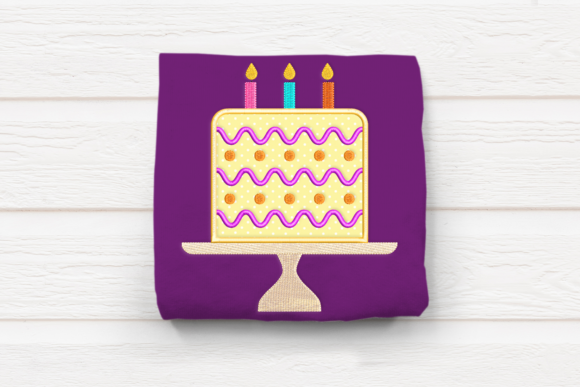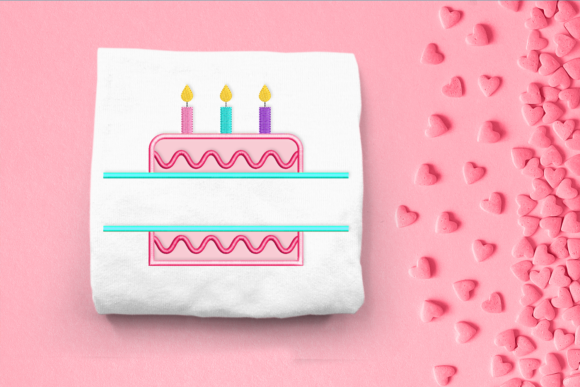
Birthday Cake Split: A Designer's Real-World Review
When I first opened the folder for Birthday Cake Split, my initial reaction wasn't just about the cute imagery; it was about how this design would actually behave on a sewing machine. As someone who has spent years refining designs for client projects and personal boutiques, I know that a pretty picture in a preview window can sometimes fall flat when the needle hits the fabric. This machine embroidery design immediately struck me as having a playful yet structured personality, perfect for the Birthdays category but versatile enough to transcend a simple greeting.
The First Impression: Mood and Visual Structure
The layout of Birthday Cake Split suggests a design meant to be the focal point of a garment or accessory. The name implies a split composition, which is an interesting choice for an embroidery file. In practice, this often means the design can be broken into sections or balanced in a way that works well on wider canvases like tote bags or aprons, or perhaps centered perfectly on a baby onesie. The visual personality feels celebratory without being overly cluttered. It avoids the trap of looking like a cheap print by relying on the texture of thread to create depth.
For a creative entrepreneur, the appeal lies in its ability to elevate a handmade product. When you place a digital asset onto a physical item, the difference between a mass-produced look and a boutique feel often comes down to stitch density and detail clarity. Birthday Cake Split appears to have a balanced approach here. It doesn't scream for attention with excessive complexity, which is exactly what you want for a design that will be worn or used frequently. It feels like a design that invites touch rather than just sight.
Real-World Application: From Screen to Stitch
I recently simulated using Birthday Cake Split for a custom project involving a canvas tote bag for a small shop owner's birthday collection. The scenario was straightforward: she needed a handmade product that felt personal but could be produced efficiently for her Etsy seller inventory. The split nature of the design allowed us to test how it would handle the natural curve of the bag handles and the flat front panel.
In this context, the design performed well. The satin stitch areas likely provide a smooth, glossy finish that contrasts nicely with the rougher texture of the canvas, while the fill stitch sections add weight and durability. For a tote bag design, this balance is crucial because the item needs to withstand handling. If the design were too light, it might get lost against the background fabric; if it were too dense, it could stiffen the material and make the bag difficult to fold. Birthday Cake Split seems to hit that sweet spot where the embroidery project looks professional but remains functional.
I also considered how this embroidery file would translate to a sweatshirt. Sweatshirts present a unique challenge due to the stretchy nature of the knit fabric. A design with too much tension in the stitches can cause puckering. However, the clean lines suggested by the "Split" title imply a structure that should lay flat against the chest area of a hoodie. This makes it an excellent candidate for sweatshirt embroidery aimed at creating cohesive branding for a craft business. Imagine a line of matching hoodies for a team or a family reunion; this design adds a layer of warmth and celebration that a standard graphic print simply cannot match.
Where Caution is Required: Fabric and Hoop Constraints
While Birthday Cake Split shows promise, no designer should assume a design works everywhere without testing. There are specific scenarios where this design requires careful consideration. For instance, attempting to use this on a very small hoop size, such as those used for cap patches or delicate baby accessories, might result in a loss of detail. If the original artwork relies on fine lines or intricate corners, shrinking it down for a tiny lettering or small accent area could lead to muddy stitching.
Texture is another factor. While the design looks great on flat surfaces, applying it to highly textured fabrics like heavy boucle wool or loose-weave linen might obscure the details. The stitch density needs to be sufficient to cover the fabric grain, but not so high that it distorts the material. Similarly, working with thin or stretchy fabrics demands a robust stabilizer strategy. Without the right support, the finished product could end up wavy or misshapen, which undermines the value of the work.
Dark fabrics also require a thought process regarding thread colors. If the design includes white or light pastel elements intended to pop against a dark background, the underlay and fill layers must be substantial enough to prevent the dark fabric from showing through. This is particularly relevant for commercial embroidery where consistency across different colorways is key to maintaining brand integrity. Always verify the recommended thread colors and ensure your machine settings align with the design's requirements before running a production batch.
Impact on Product Value and Customer Trust
From a business perspective, the quality of an embroidered patch or custom apparel directly influences customer trust. A well-executed Birthday Cake Split design signals professionalism. It tells the buyer that care was taken in the creation process. In the world of small shop products and boutique branding, this distinction is everything. Customers are willing to pay a premium for items that feel durable and thoughtfully designed.
This design also enhances the giftability of a project. A personalized gift featuring a high-quality embroidery design carries more emotional weight than a printed one. The tactile nature of the threads adds a dimension of luxury. Whether it is a holiday gift, a wedding gift, or a personalized product for a special occasion, the visual appeal of Birthday Cake Split helps the recipient feel valued. It transforms a simple object into a keepsake.
Practical Notes for the Design Reviewer
Before integrating Birthday Cake Split into your workflow, there are several technical steps every designer should take. First and foremost, always test the design on scrap fabric that matches your final project material. This allows you to check the stitch density and see how the fabric texture interacts with the threads. You might find that a slight adjustment in tension or a change in stabilizer type yields better results.
Review the hoop size compatibility carefully. Ensure that the dimensions of the design fit within the limitations of your machine's hoop, especially if you plan to embroider on curved surfaces like caps. Inspect small details in your digitizing software to confirm that no elements are too close together, which could cause thread breaks or clumping during the run.
It is also wise to test the design in black and white mockups to assess the contrast and balance without the distraction of color. Compare how it looks on both light and dark backgrounds to determine if additional underlay or top-stitch adjustments are needed. Confirm whether the design includes proper instructions for applique design techniques if applicable, and double-check the licensing terms to ensure you are authorized to sell finished items created with this digital embroidery file.
Finally, consider the long-term wear of the finished product. Designs that are too dense may crack after repeated washing, while those that are too sparse may fade quickly. By taking the time to evaluate Birthday Cake Split thoroughly, you ensure that your design assets deliver consistent quality, keeping your customers happy and your reputation intact. This thoughtful approach is what separates a hobbyist from a true professional in the world of embroidery.